
Starting a blog might feel overwhelming, but it doesn’t have to be. With over 600 million blogs online today, countless people are turning their passions into successful platforms. So, what’s holding you back?
Maybe you’re unsure where to begin—choosing the right platform, designing your site, or wondering if anyone will actually read your blog posts. But here’s the truth: every successful blogger started right where you are now, with zero traffic and plenty of questions.
According the the research, blogs collectively produce an astonishing 7.5 million blog posts daily, totaling over 2.7 billion articles per year. This demonstrates the immense amount of information being shared and consumed through blogs.

Blogging has become very crucial for brands as well –
It is estimated that Businesses that blog are 13 times more likely to achieve a positive ROI for their efforts than those that do not.
This guide is designed to make the process of learing how to start a blog simple and stress-free. Instead of overwhelming you with technical jargon, it walks you through each step—how to start a blog, create engaging content, and build an audience that keeps coming back.
You don’t need to be a tech expert or a professional writer to learn how to start a blog and to launch a successful blog. All you need is the right direction, consistency, and a willingness to learn. Whether you’re starting a blog to share your ideas, grow your personal brand, or even turn it into a business, you’re in the right place.
Let’s dive in and turn your blogging dreams into reality!
Key Highlights ↓
- This guide will walk you through the entire process of how to start a blog, from choosing a niche to publishing your first post.
- Discover essential tools like WordPress and learn how to create engaging content with compelling writing and visuals.
- Learn the basics of SEO to attract readers and explore strategies to grow your audience over time.
- Find out how to monetize your blog through affiliate marketing, advertising, and other revenue streams.
- Get ready to start your blogging journey with the knowledge and resources you need for success!
The Basics of Blogging
Blogging is all about sharing your thoughts, ideas, and expertise with the world. It’s your space to express yourself, provide valuable insights, and connect with like-minded people. Whether you’re passionate about travel, food, tech, or even personal finance, a good blog can help you reach the right audience.

With the internet more active than ever, blogging plays a huge role in shaping online discussions, therefore it is vital for you to know how to start a blog.
It gives everyone a voice—whether you want to inform, entertain, or inspire. If you’re looking to start a blog, understanding the basics is the first step toward creating engaging blog posts that resonate with readers.
So, whether you’re here to share knowledge, build a personal brand, or simply talk about your favorite coffee shop, mastering the fundamentals of blogging will set you up for success!
Blog and Its Purpose
Before knowing how to start a blog, you must know the fundamentals. A blog, short for “weblog,” is an online platform where you can regularly share ideas, insights, or expertise through blog posts. Blogs are typically organized with the newest posts appearing first and can cover a wide range of topics—personal experiences, professional advice, or niche interests.
One of the biggest advantages of starting a blog is having full control over your content, design, and audience. Whether you’re writing a blog to share your passions, build a community, showcase your expertise, or even generate income, a good blog allows you to connect with readers in a meaningful way.

Before you start your blogging journey, take a moment to define your goals. Understanding what you want to achieve will help you create engaging content and stay focused on building a successful blog.
How Blogging Evolved ⁉️
- Blogging has evolved from simple online diaries into a powerful platform for sharing ideas, influencing opinions, and building communities.
- Today, blogs cover almost every blog topic imaginable, from fashion and technology to finance and wellness.
- Readers trust bloggers for advice, insights, and inspiration, making blogs a key part of the digital world.
- With social media and digital marketing, blogging is no longer just about writing—it helps shape online conversations and keeps audiences engaged.
- Businesses use blogs to connect with customers, build trust, and boost sales, while individuals start a personal blog to share their creativity, knowledge, and passions.
- Blogging has transformed the way we consume and share information, and with technology constantly evolving, it’s here to stay!
70% of consumers prefer to learn about a company through a blog rather than an advertisement
Blogging Platforms
Choosing the right platform is a crucial after you learn how to start a blog, as it directly impacts your blog’s success. WordPress blog remains the most popular choice due to its user-friendly interface, extensive customization options, and a vast collection of plugins.
However, WordPress isn’t the only option. Several other blogging platforms cater to different needs, offering features like drag-and-drop editors, built-in social media tools, and unique customization options.
- WordPress
- Linkedin Articles
- Ghost
- Drupal
- Joomla
- Wix
Your blogging platform sets the foundation for your journey, so take the time to explore your options and choose one that best fits your needs!
Setting Up Your WordPress Blog: A Beginner’s Guide
Starting a blog is easier than you think! Here’s how to setup a blog in six simple steps:
- Pick a blog name – If you are new or creating a standalone blog, then start by choosing a name that reflects your niche and personality. You can use Looka’s business name generator tool for finding perfectly unique name.
- Register your domain – Register your domain from any domain name provider such as Hostinger or Namecheap.
- Setup Hosting – Once domain is registered, buy and set up hosting to make your blog live.
- Install a CMS – Install a reliable CMS or blog management platform where you can easily manage your blogs and optimize them for SEO i.e. WordPress.
- Customize your blog – Now you need to customize your blog using any theme or custom template. Essentially you need to set logo, branding, header menu, search, footer, privacy and term pages.
- Write & publish your first post – Start writing and Sharing your thoughts and connect with your audience.
- Promote your blog – Use social media, SEO, and other marketing strategies to attract readers.
- Make money blogging – Explore different monetization options like affiliate marketing, google ads or sponsored content.
Starting a WordPress blog and knowing how to start a blog may seem challenging, but with the right steps, you can have your blog up and running in no time. Whether you’re launching a personal blog or a professional site, WordPress is a user-friendly blog platform that makes the process easy.

Here’s a step-by-step guide to help you start blog writing and create a blog that attracts blog readers.
Step 1: Choosing a Domain Name/ Blog Name
Your domain name is your blog’s online identity—something like “www.yourblogname.com.” Mine is https://affgem.com/. It is the first step to do in the process creating a blog. It should be short, easy to remember, and relevant to your blog’s niche. A well-chosen domain makes it easier for blog readers to find and recognize your blog.
When picking a domain name:
- Keep it simple and avoid hyphens or numbers.
- Choose something memorable that reflects your blog’s theme.
- Use a domain registrar to check availability and secure your domain.
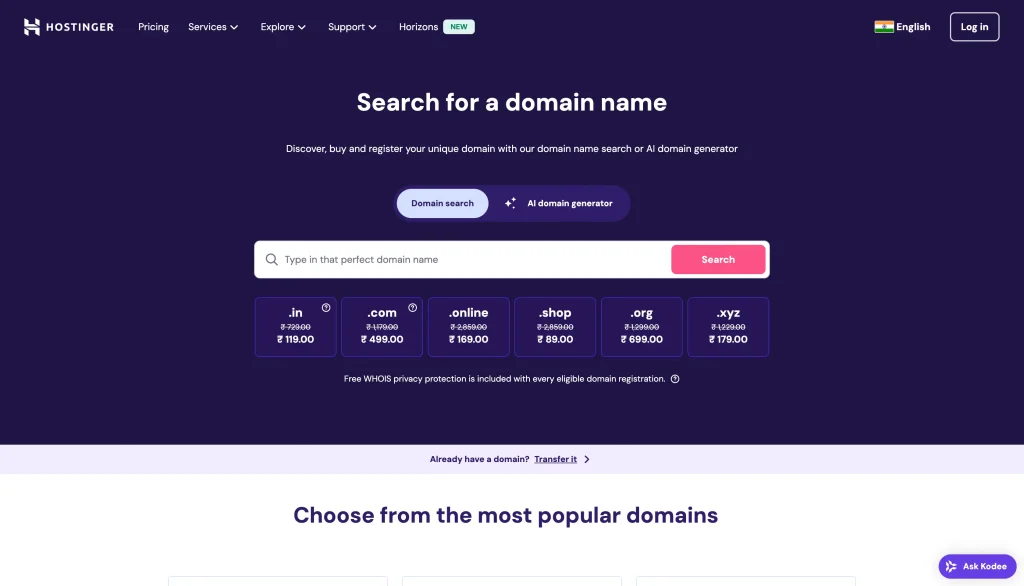
You can use Hostinger’s Domain Name Search to check availability and register your ideal domain easily.
Choosing the Right Blog Topic and Name
Before you start your blogging journey, the first step is deciding on a blog topic. If you’re wondering how to start a blog, picking the right niche will make a big difference in your success.
Here are some ways to find a great blog topic:
- Life Experiences – Everyone has unique experiences that others can learn from. Whether it’s parenting, navigating a career change, or overcoming challenges, sharing your personal journey can help others in similar situations.
- Personal Blog – If you want the freedom to write about various topics, a personal blog is a great choice. You can share daily experiences, thoughts, and insights without sticking to one niche.
- Hobbies & Passions – If you have a passion for something like travel, fitness, DIY projects, or even a unique hobby, it can be a great foundation for your blog. Readers who share your interests will be drawn to your content.
Once you’ve decided on your topic, the next step in how to start a blog is choosing a blog name (domain name).
Tips for Picking the Perfect Blog Name
- Be Descriptive – Your blog name should give readers an idea of what your blog is about. If you’re blogging about fitness, words like “wellness,” “strength,” or “active” can make it clear.
- Think Creatively – You don’t have to use just one keyword. A travel blog doesn’t need to have “travel” in the name; words like “journey,” “explorer,” or “wander” also work well.
- Use Your Own Name – If you’re creating a personal blog, using your name or a variation of it can be a great choice. For example, if your name is Sarah Johnson, you might choose “SarahWrites.com” or “LifeWithSarah.com.”
When finalizing your domain, go for a .com extension if possible, as it’s the most recognized. If it’s unavailable, alternatives like .net, .co, or .blog can work just as well. Remember, domain names can’t have spaces, so “Life With Sarah” would become LifeWithSarah.com.
Now that you have a blog topic and name, you’re one step closer to learning how to start a blog and launching your blog! Keep going, and soon you’ll have everything set up for success. How to start a blog may seem overwhelming at first, but with the right steps, it’s easier than you think!
You can use ai powered tools like Logome or Looka for quickly creating appealing logos for your blog website.
Step 2: Getting Your Blog Online
Now that you’ve chosen the perfect blog name, it’s time to take the next step on the ladder of how to start a blog—getting your blog online. If you’re wondering how to start a blog, don’t worry. Setting up your blog is easier than you think, and I’ll guide you through it step by step.
To launch your blog, you’ll need three essential things:
- Domain Registration – To claim your blog name, you must register it so no one else can use it.
- Blog Hosting – A blog host is a service that stores your website’s files and makes your blog accessible to visitors. Reliable hosting is crucial for speed, security, and performance.
- Blogging Software – A platform like WordPress will help you create and manage your blog posts effortlessly.
Why Choose Hostinger for Your Blog?
If you’re looking for an affordable and reliable way to start a free blog or a professional one, I highly recommend Hostinger. They offer everything you need to get your blog live, all in one place.
✅ Free Domain Registration – Hostinger provides a free domain with their hosting plans, saving you extra costs.
✅ Easy WordPress Setup – With their one-click WordPress installation, you can set up your blog in minutes.
✅ Reliable Blog Hosting – Hostinger offers fast and secure hosting trusted by millions worldwide.
✅ 24/7 Customer Support – Their support team is available anytime you need help with your blog.
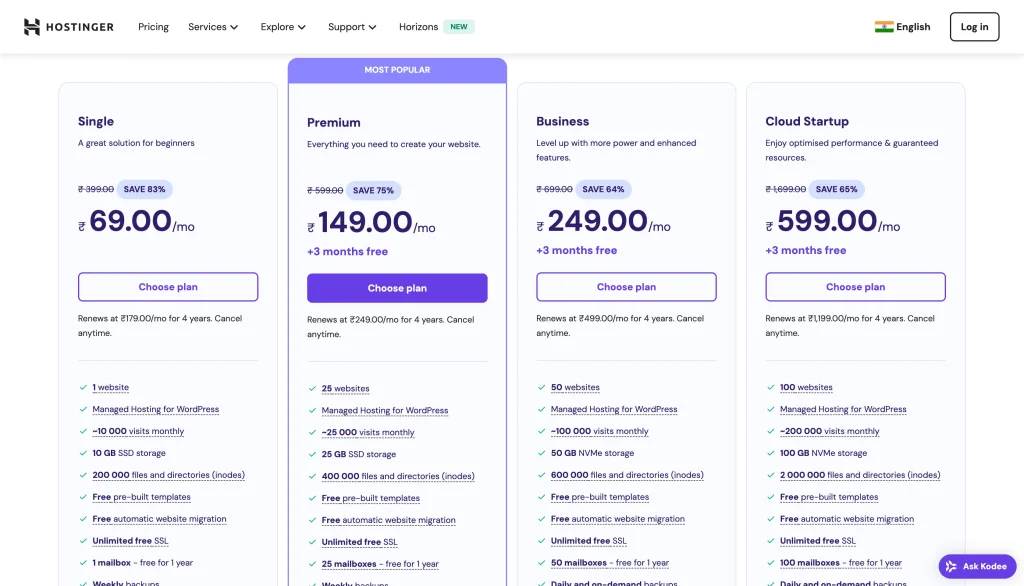
✅ Affordable Pricing – Get started for as low as ₹149/month. Check out their latest plans at Hostinger India.
How to Start a Blog with Hostinger
Starting a blog is an exciting journey, and choosing the right hosting service makes all the difference. With Hostinger, you get an affordable, beginner-friendly solution that helps you build and grow your blog effortlessly.
1️⃣ Get a Special Discount on Hostinger’s Web Hosting
- Click here to access Hostinger’s latest hosting deals.
- Hostinger offers affordable hosting plans with a free domain name, making it easy to start a free blog with minimal investment.
- Click on “Claim Deal” to proceed.
2️⃣ Choose the Best Hosting Plan
- Hostinger provides multiple hosting options, but for new bloggers, the Premium Web Hosting plan is the best choice.
- It includes a free domain, fast-loading website, and one-click WordPress installation.
- Click “Add to Cart” to proceed.
3️⃣ Register Your Domain Name
- A domain name is your blog’s identity, so choose something relevant and memorable.
- Use Hostinger’s domain search tool to check availability.
- Enter your desired blog name, then click “Search”. If it’s available, select it and continue.
- If you already own a domain, select “Use an existing domain” and follow the steps to connect it.
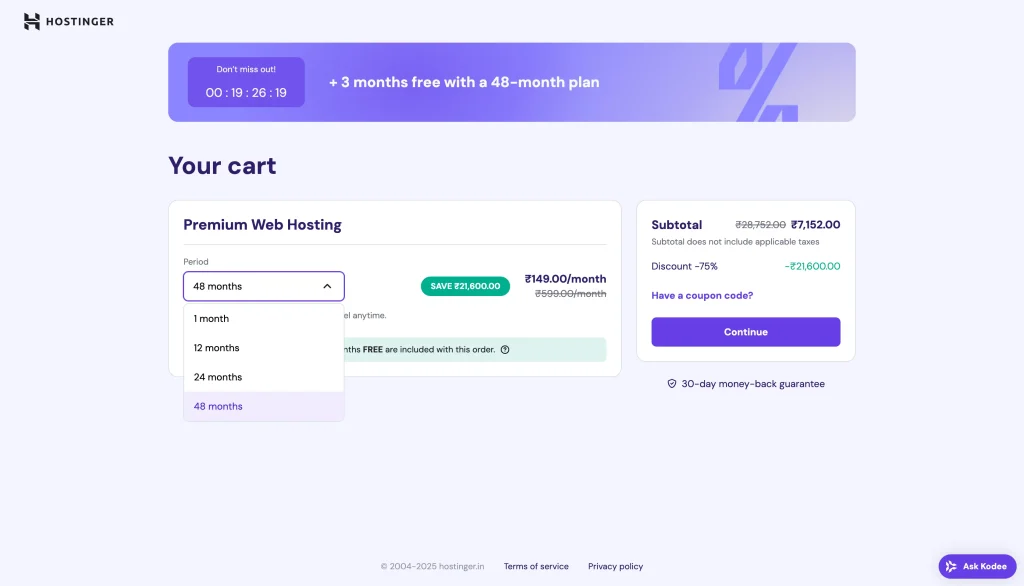
4️⃣ Select Hosting Package & Setup Preferences
- Hostinger will ask you to choose your hosting duration (12, 24, or 48 months).
- The longer the duration, the bigger the discount!
- Essential features like SSL certificates, backups, and Cloudflare protection are included for security and performance.
- Click “Continue” after finalizing your selections.
5️⃣ Complete Registration & Payment
- Fill in your billing details and create a strong Hostinger account password.
- Choose your preferred payment method and complete the purchase.
- After payment, you will receive a confirmation email with login credentials.
6️⃣ Install WordPress & Launch Your Blog
- After logging into your Hostinger dashboard, go to the “Website” section and select “Auto Installer”.
- Choose WordPress as your blogging platform.
- Set up your WordPress login details and click “Install”.
- Once installed, go to yourdomain.com/wp-admin, enter your credentials, and access your WordPress blog dashboard.
Congratulations! Your Blog is Now Live 🚀
You’ve successfully learned how to setup blog using Hostinger! Now, it’s time to customize your WordPress blog, write engaging content, and grow your audience.
With the right hosting provider and a strategic approach, your successful blog can become a powerful online presence. Whether you want to start a free blog for personal use or build a professional blogging business, Hostinger makes the process easy and affordable.
Step 3: Configuring Your Blog’s Settings
Once your WordPress blog is live, it’s time to fine-tune the settings. Start by updating:
Site title and tagline to reflect your brand.

Permalink structure for better SEO.

Time zone and language settings for accuracy.

Choosing the right theme is also crucial. WordPress offers thousands of free and premium themes, allowing you to create a visually appealing personal blog that matches your style. Customize fonts, colors, and layouts to make your blog unique and engaging.
Customizing Your WordPress Blog, and Writing Your First Blog Post
If you’re learning how to start a blog, setting up your WordPress blog is just the beginning. Now, it’s time to log in, customize your design, and publish your first blog post. Follow this easy step-by-step guide to get started.
1️⃣ Logging into Your WordPress Dashboard
If you’re not already logged in, login to your WordPress website and navigate to the dashboard:
2️⃣ Accessing Your WordPress Blog
- Inside the Hostinger Dashboard, scroll down to “Website” and click “Dashboard”.
- Click “Edit Website”, and you will be redirected to the WordPress Admin Panel.
- You can also access it by going to yourdomain.com/wp-admin and entering your credentials.
Now, you’re ready to customize your blog! 🚀
3️⃣ Changing Your Blog Design (Choosing a WordPress Theme)
A great-looking WordPress blog starts with the right theme. Here’s how to customize it:
Choosing a Theme
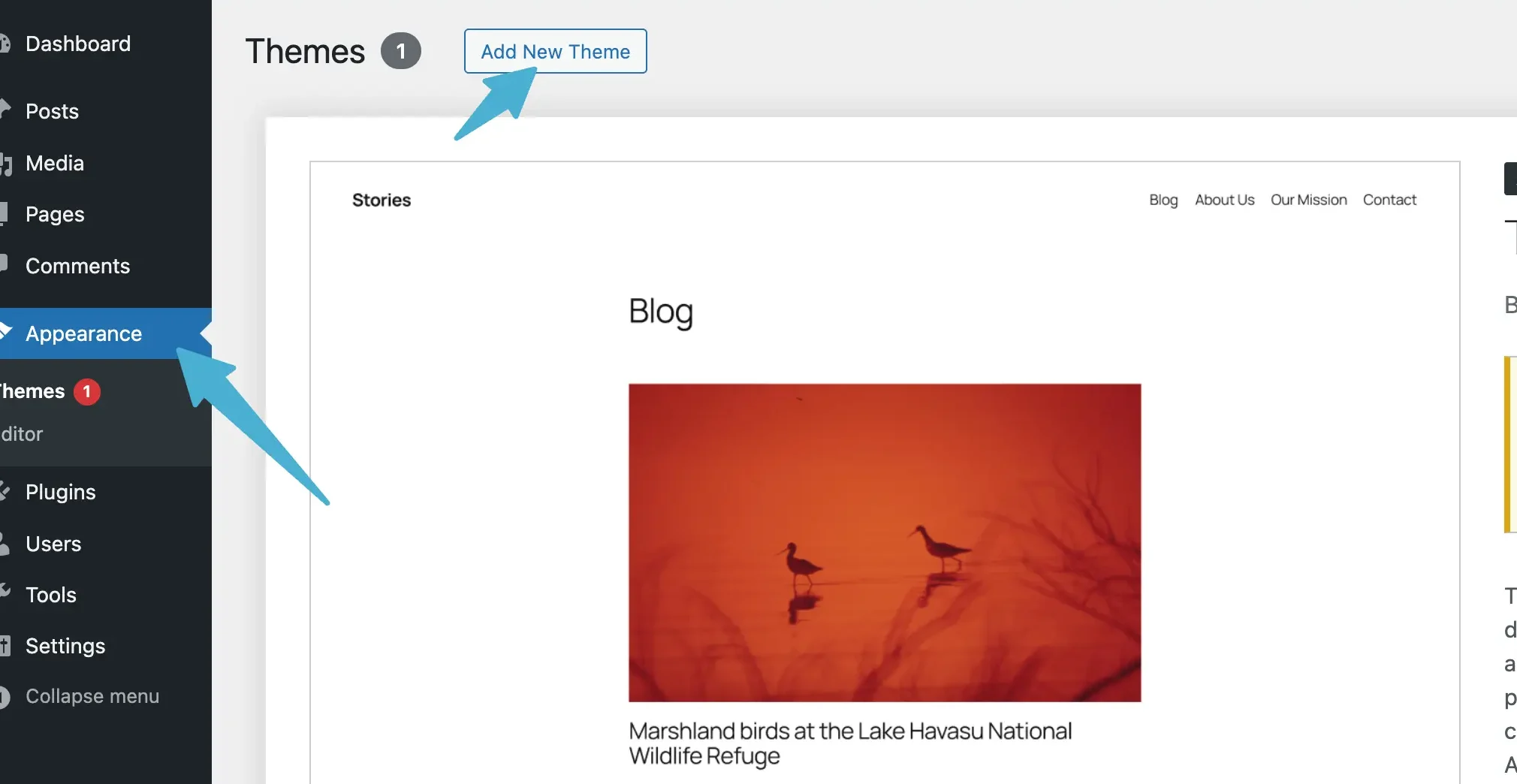
- In the WordPress Dashboard, go to “Appearance” → “Themes”.
- You will see some pre-installed WordPress themes like “Twenty Twenty-Four.”
- If you like one, simply hover over it and click “Activate” to apply it to your blog.
Installing a New Theme
If you want a different design:
- Click “Appearance” → “Themes” → “Add New”.
- Browse through thousands of free WordPress themes.
- Use filters like Popular, Latest, and Featured to find the perfect match.
- Once you find a theme, click “Install”, then “Activate”.
4️⃣ Writing Your First Blog Post
Now that your blog is set up, let’s start writing! Here’s how to start a blog post from scratch:
Creating a New Blog Post
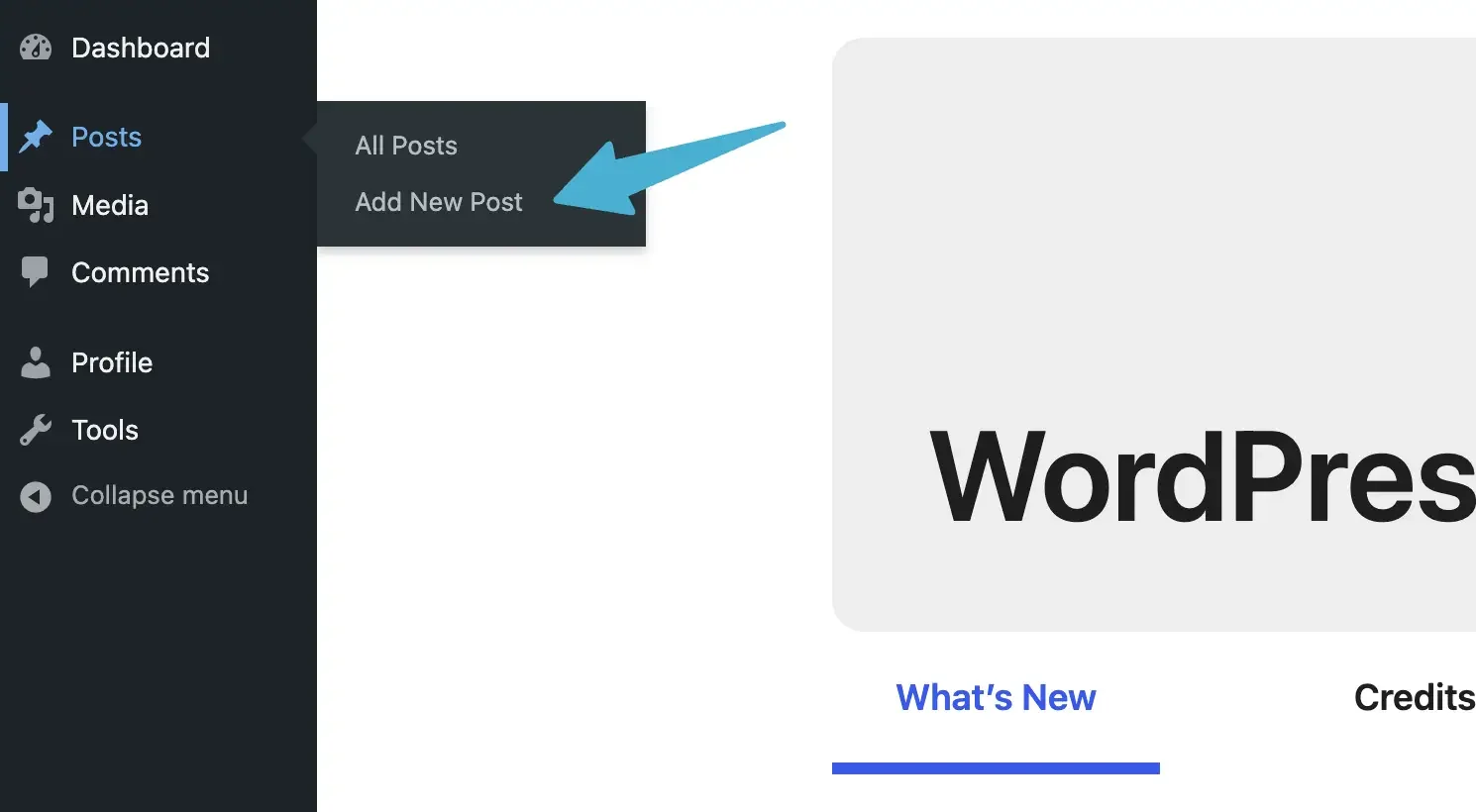
- In the WordPress Dashboard, click “Posts” → “Add New”.
- You will see a blank editor where you can type your blog title and content.
- Delete the default “Hello World” post by clicking “Trash” under it.
Adding Images & Formatting Your Blog Post
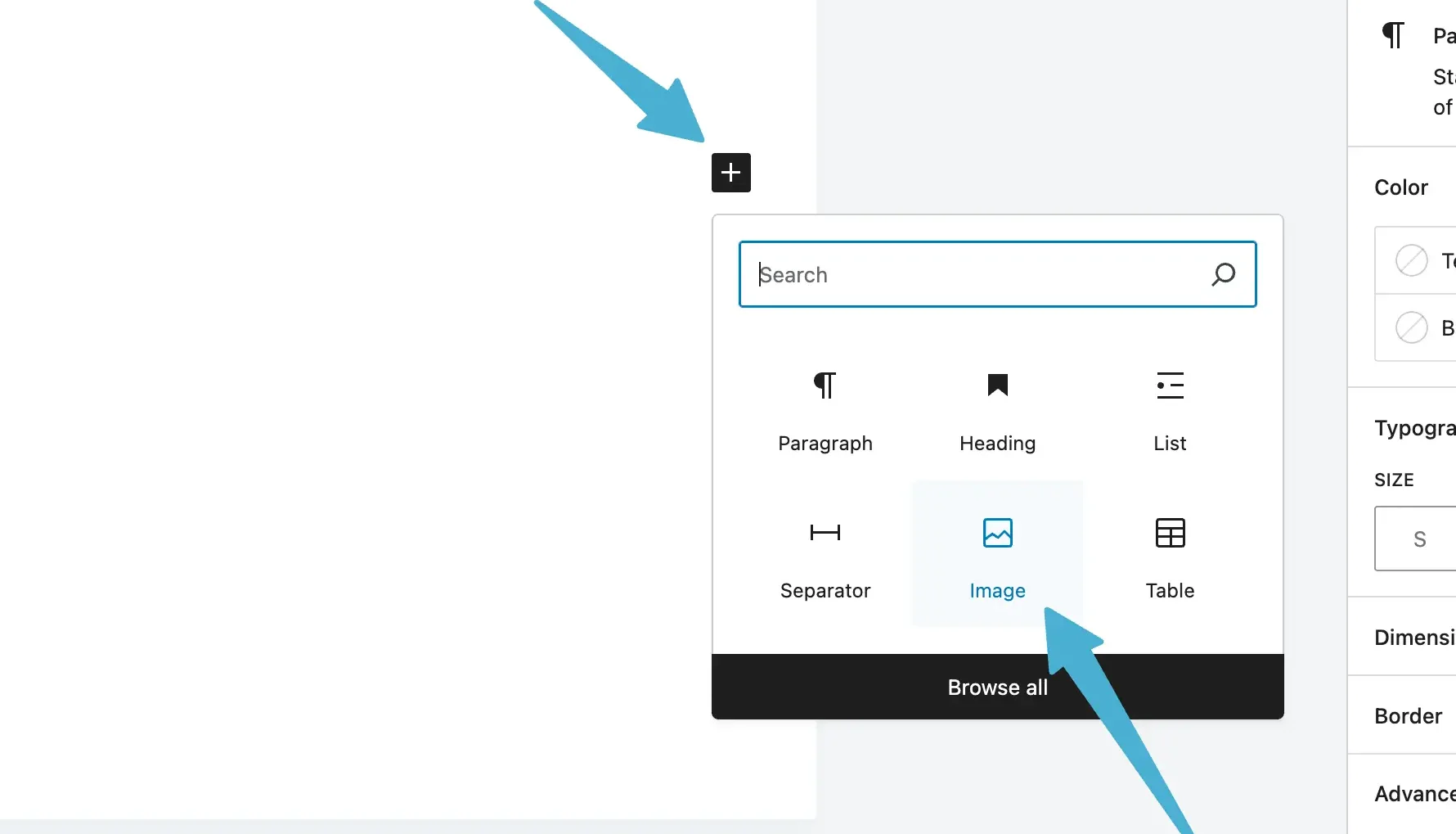
- To add an image, click the “+” icon, then select “Image”.
- Click “Upload” and choose a picture from your computer.
- Format text using bold, italics, bullet points, and headings for better readability.
Publishing Your Blog Post
- Once your content is ready, click “Publish” in the top-right corner.
- Your blog post is now live! 🎉
Now that you know how to start a blog, customize it, and publish your first post, keep writing consistently to build a successful blog. Whether you’re sharing personal stories, tutorials, or business insights, a well-maintained WordPress blog can become a powerful platform.
Hostinger makes it easy to start a free blog and grow it into a thriving online presence. Keep exploring, experimenting, and blogging your way to success! 🚀
Creating an Engaging Blog Design for Maximum Impact
A well-designed blog not only attracts visitors but keeps them engaged, improves readability, and enhances the overall user experience. Whether you’re starting a new blog or revamping an existing one, follow this step-by-step guide to create a visually appealing and highly functional blog design.
A strong design not only makes your blog stand out but also creates a seamless experience for your audience. Whether you’re about to start blog writing or already have a blog, the right design choices will help you attract and retain readers.
Step 1: Choose the Right Blogging Platform
Your choice of platform impacts design flexibility, customization options, and ease of use.
Recommended Platforms:
- WordPress.org – Best for customization and scalability
- Ghost – Minimalist and fast
- Wix or Squarespace – Drag-and-drop simplicity
Helpful Resource: WordPress Themes – Explore free and premium themes.
Step 2: Select a Clean, Responsive Theme
A cluttered blog turns visitors away. Your theme should be:
- Fast-loading (under 3 seconds)
- Mobile-friendly
- Easy to navigate
How to Pick a Good Theme:
- Choose a lightweight theme like Astra or GeneratePress.
- Test responsiveness on different screen sizes.
- Ensure it supports your blog’s purpose (e.g., portfolio vs. news blog).
Move on to the next section to learn how to pick a good theme.
Step 3: Structure Your Blog for Easy Navigation
A clear structure improves user experience and helps readers find content easily.
Best Practices:
- Use a sticky menu for quick access to important pages.
- Keep the main menu simple (5-7 categories max).
- Add a search bar for easy navigation.
- Use breadcrumb navigation to show users where they are.
Step 4: Optimize Your Blog’s Typography
Typography plays a huge role in readability.
How to Improve Readability:
- Choose clean fonts like Montserrat for headings and Open Sans for body text.
- Set font size to 16px or higher for comfortable reading.
- Use 1.5x line spacing for better text flow.
- Avoid using too many different fonts—stick to two complementary fonts.
Helpful Resource: Google Fonts – Free typography options.
Step 5: Use High-Quality Visuals & Branding
A visually appealing blog keeps visitors engaged.
Design Tips:
- Use a consistent color palette that matches your brand.
- Add high-quality images in every blog post.
- Design a simple, professional logo using Canva or Figma.
- Use white space to avoid clutter.
Helpful Resource: Unsplash – Free high-quality images for your blog.
Step 6: Improve Site Speed & Performance
A slow blog leads to high bounce rates.
How to Make Your Blog Load Faster:
- Compress images using TinyPNG.
- Use a caching plugin like WP Rocket.
- Enable lazy loading to delay loading of images until needed.
- Optimize your blog’s code with Autoptimize plugin.
Helpful Resource: Google PageSpeed Insights – Check site speed.
Step 7: Make Your Blog Interactive & Engaging
Engagement features keep visitors on your site longer.
Essential Features to Add:
- Comment section – Encourage discussions.
- Social sharing buttons – Let readers share your content.
- Email signup forms – Build a subscriber list.
- Related posts section – Keep users exploring your content.
Helpful Resource: Sumo – Free pop-up builder for email signups.
Step 8: Ensure SEO-Friendliness
Good blog design includes SEO optimization.
SEO Tips for a Well-Designed Blog:
- Use Yoast SEO or Rank Math to optimize on-page SEO.
- Structure posts with H1, H2, H3 headings for readability.
- Add alt text to images for better search rankings.
- Improve internal linking to keep users engaged.
Helpful Resource: Google Search Console – Monitor and improve blog performance.
Selecting the right WordPress theme is crucial for creating an engaging and user-friendly blog. A well-chosen theme enhances your content’s presentation, ensures easy navigation, and provides essential features that enrich the blogging experience.
Choosing the Perfect Theme for Your Blog
Your WordPress Website theme plays a crucial role in shaping your blog’s overall look and feel. With so many WordPress themes available in the market, selecting the right one can feel overwhelming. Focus on a theme that aligns with your blog’s niche, target audience, and personal style.
Here are some top WordPress blog themes to consider:
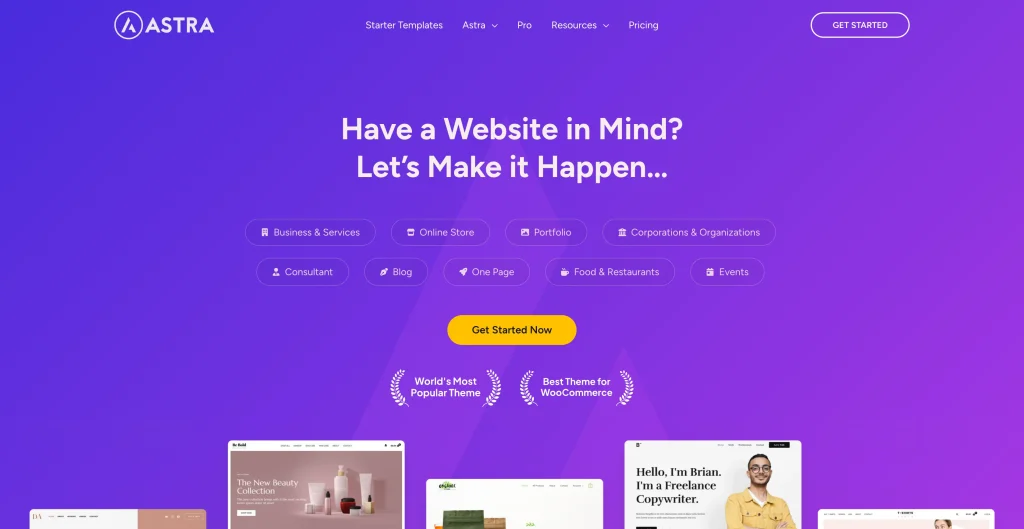
- Astra
Astra is a versatile and highly customizable theme suitable for various blog types. It offers seamless integration with popular page builders, allowing you to design your site with ease. Astra is known for its lightweight structure and speed optimization, ensuring quick load times and a smooth user experience.
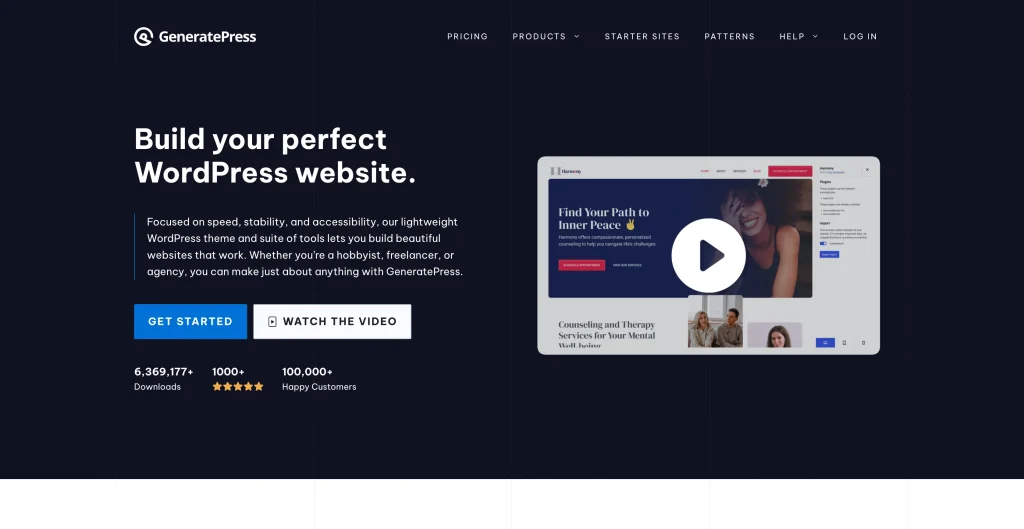
- GeneratePress
GeneratePress is renowned for its emphasis on speed and usability. Its lightweight codebase ensures fast loading times, while the high level of customization allows you to tailor your blog’s appearance and functionality to your preferences. The theme’s clean typography enhances content readability, providing a pleasant experience for your readers.
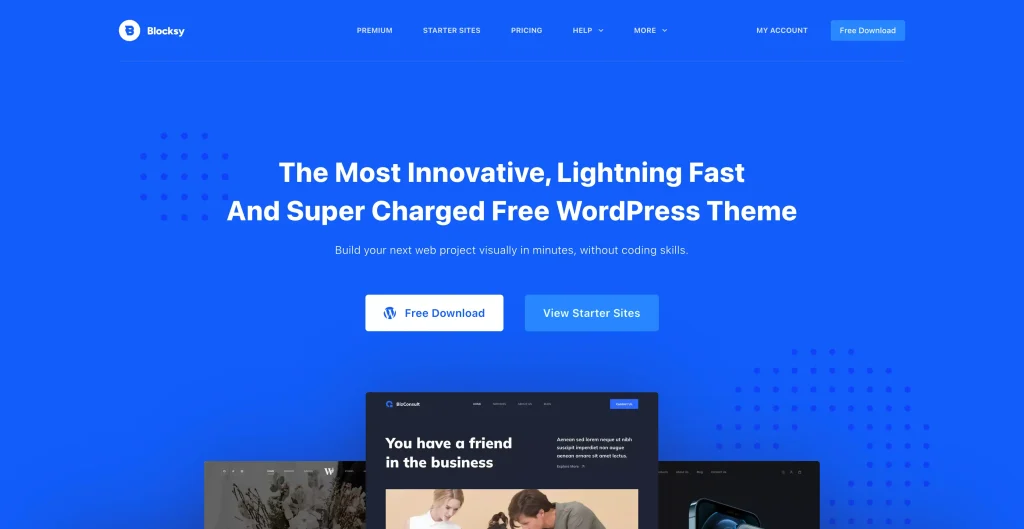
- Blocksy
Blocksy offers a modern and adaptive design, making it suitable for various blogging niches. Its sleek appearance, combined with intelligent features, enables you to create a visually appealing and highly functional website. Blocksy’s responsiveness ensures your blog looks impeccable on any device, enhancing accessibility for your audience.
When selecting a theme, consider factors such as responsiveness across devices, customization options to reflect your unique style, loading speed for optimal user experience, and compatibility with essential plugins for added functionality. Investing time in exploring various options and conducting thorough research will help you choose a theme that aligns with your content goals and resonates with your target audience.
When picking a theme, consider key factors such as layout, customization options, mobile responsiveness, and page load speed. A well-optimized theme enhances user experience and helps your blog content rank better in search engines.

Your blog’s design should complement your content, ensuring a seamless and enjoyable experience for readers. Choose a theme that reflects your brand identity and supports the message you want to share with your audience.
Customizing Your Blog’s Look and Feel
After selecting the perfect WordPress blog theme, the next step is customization. Personalizing your blog’s design allows you to showcase your unique brand and personality.
Most WordPress themes come with built-in customization options, making it easy to modify colors, fonts, header images, and layout elements—no coding required!
In addition to design customization, consider using a custom domain name that represents your brand. A professional domain makes your blog more memorable and credible. Plugins and widgets can further enhance functionality, helping you create a blog article layout that aligns with your vision.

One of the best features of WordPress is its flexibility. With creativity and effort, you can transform a simple theme into a visually appealing and fully functional WordPress blog that attracts and retains readers.
Key Design Elements for an Engaging Blog
A well-designed blog prioritizes user experience. Ensuring smooth navigation and readability keeps visitors engaged and encourages them to read blog content regularly.
- Navigation – Make your menu easy to access and well-structured so readers can find what they need effortlessly. Use clear, concise labels for better usability.
- Typography & Colors – Choose readable fonts and a color scheme that enhances readability while maintaining a visually appealing layout.
- Whitespace – Avoid cluttered designs. Spacing out text and images improves readability and provides a clean, modern look.
A simple yet effective layout allows your blog content to stand out, ensuring visitors stay longer and engage with your posts.
Using Visuals to Enhance Blog Engagement
Great visuals make your blog article more attractive and engaging. High-quality images, videos, and graphics break up long blocks of text, making your content more digestible for readers.
Visuals should serve a purpose—whether it’s to support your content, illustrate key points, or provide additional context. Investing in a good camera, using free stock photos, or working with graphic designers can help enhance your blog’s aesthetic appeal.
Additionally, blog posts with strong visuals are more likely to be shared on social media, increasing visibility and attracting new readers. When used effectively, visuals not only enhance your WordPress blog design but also encourage visitors to explore more and read blog content consistently.
Creating Your First Blog Posts: Engaging and Valuable Content
Now that you’ve set up your blog, it’s time to bring it to life with compelling blog content. Your first few posts set the tone for your blog, helping you connect with your audience and build a loyal readership.
When you start blog writing, focus on understanding what your audience needs. Instead of simply publishing a large number of posts, aim to create high-quality, valuable content that educates, entertains, or inspires readers. A well-written blog article not only attracts visitors but also keeps them coming back for more.
Authenticity is key. Let your personality shine through your writing to make your content more engaging and relatable. Whether you’re sharing insights, solving problems, or telling stories, writing with a personal touch strengthens your connection with readers.
Additionally, well-structured blog content can contribute to long-term success, helping you build authority in your niche. Over time, a strong content strategy can also open doors for blog income, allowing you to monetize your efforts through ads, sponsorships, and affiliate marketing.
Here’s the revised version with SEO-friendly language and natural keyword placement:
Understanding Your Audience’s Needs
Before you start blog writing, take the time to understand your audience. Knowing what they need and what topics interest them is crucial for creating engaging blog content. What challenges are they facing? What are their goals? When you identify their pain points and provide valuable solutions, your blog articles become a trusted resource for readers.
To gain insights, conduct surveys, engage with your audience on social media, and pay attention to frequently asked questions in your niche. By listening to their preferences, you can tailor your content strategy to meet their expectations effectively.
Building a loyal readership is about more than just publishing posts—it’s about creating a community. Consistently delivering high-quality, relevant content helps keep readers engaged and encourages repeat visits. Over time, this engagement can open up opportunities for blog income, whether through ads, affiliate marketing, or sponsored content.
Generating Ideas for Your First Blog Posts
When you start blog writing, coming up with fresh and exciting ideas is essential. Your first blog articles should be informative, engaging, and valuable to your audience. Instead of stressing about making your initial posts perfect, focus on sharing your knowledge and gradually exploring new topics.

Consider drawing inspiration from:
- How-to guides: Step-by-step tutorials that help readers solve problems.
- List articles: “Top 10” style posts that highlight useful tools, tips, or strategies.
- Personal experiences: Sharing your journey can make your blog content relatable.
- Industry trends and news: Stay updated and provide insights on recent developments.
Maintaining an editorial calendar can help you stay consistent and organized. A well-planned content strategy ensures that your blog remains active and provides long-term value. The goal is to produce quality content that educates, entertains, or inspires readers while keeping them coming back for more.
The Anatomy of a Great Blog Post
A well-crafted blog article is more than just a collection of words—it captures the reader’s attention, delivers value, and encourages action. To maximize engagement and boost visibility, follow these key components:
- Compelling Headline: An eye-catching title with relevant keywords improves search rankings and encourages clicks.
- Engaging Introduction: The first paragraph should hook readers by addressing a common problem or posing an intriguing question.
- Clear Structure: Use headings, subheadings, bullet points, and images to enhance readability.
- Valuable Content: Provide in-depth insights, actionable tips, and relevant examples to establish credibility.
- SEO Optimization: Naturally incorporate keywords like “start blog writing” and “blog content” throughout your post.
- Call-to-Action (CTA): Encourage readers to subscribe, share, or engage with your blog.
By implementing these strategies, you’ll not only create compelling content but also build a strong foundation for growing your audience and generating blog income over time.
SEO Basics for Beginners
Search Engine Optimization (SEO) is essential for making your blog more visible in search engine results. By optimizing your blog host and content, you increase the chances of attracting readers who are searching for information in your niche.
A key part of SEO is keyword research, which involves finding the right words and phrases that people commonly use when searching for content like yours. Tools like Google Keyword Planner can help you identify high-traffic keywords with manageable competition. Incorporating these keywords naturally into your blog titles and content can improve your rankings.
In addition to using the right keywords, focus on creating high-quality, informative content that meets user intent. Another important factor is backlinks—links from reputable websites to your blog. Search engines see backlinks as a sign of credibility, which can help boost your search rankings.
By applying these SEO basics, optimizing your blog host, and crafting compelling blog titles, you can improve your blog’s visibility and attract a steady stream of organic traffic.
Enhancing Your Blog with Plugins and Tools
When you begin your blog start, choosing the right tools can make a huge difference in your success. Think of plugins as apps for your blog—they help add features, improve security, and make managing your website easier. If you’re launching a free blog, WordPress offers a vast directory of plugins to enhance functionality, from SEO optimization to social media integration.
No matter your blog niche, the right plugins and tools can improve user experience, boost performance, and streamline content creation. In this section, we’ll explore essential plugins, content creation tools, and useful widgets that can help your blog stand out and provide a seamless experience for your readers.
Must-Have WordPress Plugins for Every Blogger
Using the right plugins can make a big difference in how well your free blog performs. WordPress plugins help add features, boost security, and improve your blog’s speed. Whether you are just starting out or already have an established blog domain, some plugins are essential for success.
SEO plugins like Yoast SEO and Rank Math help optimize your content, making it easier for search engines to find your blog. These tools analyze your keyword usage, readability, and other factors to improve your blog’s ranking. Security plugins such as Wordfence and Sucuri Security protect your blog domain from cyber threats, while caching plugins like WP Super Cache enhance site speed for a better user experience.
Tools for Content Creation and Management
Managing a free blog efficiently requires the right content creation tools. Staying organized is key to maintaining a steady flow of high-quality posts.
Grammarly is a must-have tool for proofreading and improving your writing clarity. Canva helps create eye-catching visuals, making your blog posts and social media content more appealing. Using an editorial calendar, whether digital or physical, allows you to plan upcoming posts, track deadlines, and stay consistent with your blogging schedule. With these tools, you can streamline content creation and ensure your blog remains engaging for readers.
Improving User Experience with Widgets
Widgets play a crucial role in making your blog domain user-friendly and interactive. These ready-made features help customize your blog’s layout, making it easier for visitors to navigate and engage with your content.
Social media widgets enable readers to share your posts, increasing your blog’s reach. Recent posts widgets keep visitors engaged by displaying your latest content, encouraging them to explore more of your site. Additionally, adding widgets for testimonials, social media feeds, or email subscription forms can boost engagement and build a loyal audience.
Building Your Online Presence and Authority
Growing a successful free blog is not just about writing great content—it’s also about building your online presence. Engaging with your audience through social media, collaborating with other bloggers, and networking within your blog domain can help establish your authority.
By consistently sharing valuable insights, participating in industry discussions, and building genuine connections, you position yourself as a trusted voice in your niche. This not only attracts more readers but also strengthens your reputation as a go-to source for relevant and insightful content.
Engaging with Your Community Through Comments
Building a strong community around your blog today is key to keeping readers engaged and coming back. Encouraging discussions in the comments section can create a sense of belonging and loyalty among your audience.
Take the time to respond thoughtfully to comments, answer questions, and acknowledge feedback—both positive and constructive. You can also ask follow-up questions in your replies to encourage deeper conversations. This interactive approach not only boosts engagement but also provides valuable insights into your readers’ interests and challenges.
By fostering an active discussion space, your blog becomes more than just a website; it transforms into a trusted platform where readers feel heard and valued. This strengthens your blog hosting community and keeps people returning for more.
Leveraging Social Media to Expand Your Reach
Social media is a powerful tool for promoting your blog today and connecting with a larger audience. To maximize your reach, identify the platforms your target readers use the most and tailor your content accordingly.
Share engaging snippets of your blog posts, use eye-catching visuals, and provide direct links back to your full articles. Ask questions, run interactive polls, or host giveaways related to your niche to spark conversations and encourage participation.
Actively engaging with your audience by responding to comments and participating in discussions helps establish a strong online presence. The more visible and approachable you are on social media, the more people will discover your blog, boosting your blog hosting traffic and authority.
Guest Posting on Other Blogs
Guest posting is an excellent strategy to expand your blog today by reaching a wider audience. Writing for established blogs in your niche introduces your content to new readers while also driving traffic back to your own site.
When selecting blogs for guest posting, ensure they have a similar audience and a solid reputation. Craft high-quality, insightful content that provides real value to their readers. In return, this positions you as an expert in your field and helps build credibility.
Another key advantage of guest posting is the ability to gain backlinks to your blog hosting site. Search engines view these backlinks as a sign of trustworthiness, improving your rankings. By consistently sharing expert insights through guest posts, you can enhance your blog’s visibility and establish yourself as a leader in your niche.
The Importance of Networking in Blogging
Building strong connections with other bloggers is essential for growing your money blog and achieving long-term success. Engaging with fellow bloggers on social media, leaving thoughtful comments on their articles, and attending blogging webinars or conferences can help expand your reach.
Collaboration is key—work together on projects, share each other’s content, or contribute to a guest blog. A supportive blogging network not only provides learning opportunities but also fosters a strong community and opens doors to exciting new possibilities.

Remember, networking isn’t just about gaining benefits for yourself. Show genuine interest in others, offer valuable insights, and support the blogging community. By building authentic relationships, you contribute to a positive environment that benefits everyone in your blog niche.
Strategies for Growing Your Blog’s Audience
Expanding your money blog audience requires a strategic approach. A combination of search engine optimization (SEO), email marketing, content promotion, and engagement in online communities can help attract and retain readers.

By consistently providing valuable content, optimizing your blog for search engines, and leveraging social media, you can bring in new visitors while building a loyal audience. These efforts will ensure your blog continues to grow and thrive.
Effective SEO Techniques for Bloggers
To maximize traffic to your money blog, mastering advanced SEO techniques is crucial. SEO is an ongoing process that requires research, analysis, and regular updates to improve rankings.
Use tools like Google Analytics to track your blog’s performance, identify high-performing posts, and understand audience behavior. Monitor keyword rankings and traffic sources, then adjust your content strategy accordingly.
Implement strong on-page SEO practices by optimizing your blog niche post titles, meta descriptions, header tags, and image alt text with relevant keywords. Additionally, building quality backlinks through guest blog contributions, industry forum participation, and mentions in reputable publications can significantly boost your blog’s visibility.
Utilizing Email Marketing to Retain Readers
Email marketing is a powerful way to retain readers, strengthen relationships, and drive traffic back to your money blog. It allows you to deliver valuable content, updates, and promotions directly to your audience’s inbox.
Offer a lead magnet, such as a free eBook, checklist, or exclusive content, to encourage readers to subscribe. Use well-placed opt-in forms like pop-ups, sidebar widgets, and landing pages to capture email addresses effectively.
Segment your email list based on subscriber interests and engagement levels to send personalized content. This targeted approach improves reader interaction, builds trust, and keeps your audience engaged with your blog niche over time.
Creative Ways to Promote Your Content
Once you create blogs with valuable content, don’t just let them sit on your website. Use smart promotion strategies to expand your reach and drive consistent traffic.
Leverage social media by sharing short clips, engaging quotes, or eye-catching images from your blog posts. Add a compelling call to action that encourages people to read the full article. Actively engage with your audience by responding to comments and participating in relevant conversations.
Collaborate with other bloggers or influencers in your niche. Cross-promote each other’s content or run joint giveaways to attract more readers. Additionally, consider paid promotions like social media ads or Google Ads to boost visibility and drive targeted traffic to your blog.
Effective content promotion not only increases engagement but also supports blog monetization. The more people you attract to your blog, the better opportunities you have to earn through ads, sponsorships, and affiliate marketing.
Participating in Online Forums and Communities
Engaging in online forums and communities is a powerful way to connect with your target audience and drive traffic to your blog. Look for platforms where your ideal readers are active and contribute meaningfully to discussions.
Share valuable insights, answer questions, and establish yourself as an expert in your field. If relevant, you can include links to your blog, but avoid being overly promotional. A genuine approach builds trust and encourages people to explore your content.
By actively participating in these online spaces, you create meaningful relationships and attract new visitors. This organic engagement can significantly enhance your blog’s visibility and long-term growth.
Monetizing Your Blog: What You Need to Know
If you create blogs with valuable content, you can turn your passion into a profitable venture through blog monetization. While earning from blogging requires consistency and strategic planning, multiple opportunities can help you generate income.

Exploring Different Revenue Streams for Bloggers
Once your blog gains a loyal audience, you can start implementing various revenue streams to earn passive income.
- Affiliate Marketing: Promote products or services related to your blog’s niche and earn a commission for every sale made through your affiliate links. This is one of the most popular and effective methods of blog monetization.
- Display Advertising: Platforms like Google AdSense allow you to place ads on your blog and earn money based on views and clicks.
- Selling Your Own Products or Services: You can create and sell digital products like ebooks, online courses, or exclusive content. Offering coaching or consulting services is another great way to monetize your expertise.
By diversifying your income streams, you can build a sustainable blogging business while providing value to your audience.
Setting Up Affiliate Marketing
Affiliate marketing is a great way to earn passive income by promoting products or services related to your blog topic. By joining affiliate programs that align with your audience, you can share recommendations and earn a commission for every sale made through your unique affiliate link.
To get started, sign up for affiliate programs that fit your niche. Add affiliate links naturally within your writing blog content, such as in product reviews, how-to guides, or resource lists. Transparency is key—always disclose affiliate partnerships to build trust with your readers. When you promote products that you genuinely believe in, your audience is more likely to engage with your recommendations.
The Basics of Display Advertising
Another popular blog monetization method is display advertising. This involves placing visual ads, such as banners or pop-ups, on your blog. Google AdSense is a widely used platform that connects bloggers with advertisers.
Once approved by Google AdSense, you’ll receive a code to add to your blog, allowing relevant ads to appear on your pages. You earn money based on ad views and clicks from your visitors. However, balancing ads with user experience is essential. Too many ads can make your writing blog look cluttered and affect readability. Experiment with ad placement and formats to ensure a smooth experience for your audience.
Creating and Selling Digital or Physical Products
Selling your own products is one of the most profitable ways to monetize your blog topic. Digital products like ebooks, online courses, and templates offer unlimited earning potential with minimal ongoing costs.
If you prefer physical products, consider offering merchandise, handmade goods, or niche-related items. Choose products that provide value to your audience and align with your writing blog theme. Marketing is crucial—use email campaigns, social media, and SEO-optimized content to attract potential buyers. A well-crafted product strategy can establish your blog as a trusted resource while generating sustainable income.
Keeping Your Blog Fresh and Relevant
To keep your writing blog engaging and competitive, regularly update content, follow industry trends, and interact with your audience. Refreshing old blog posts with new insights or updated SEO techniques can boost rankings and maintain relevance.
Stay informed about emerging trends in your blog topic and adapt your content accordingly. Encourage reader interaction through comments, polls, and social media discussions. A dynamic and updated blog not only retains loyal readers but also attracts new visitors, helping your blog grow consistently.
Planning Your Content Calendar
Consistency is the key to growing a free blog successfully. A well-structured content calendar helps you stay organized and ensures a steady stream of fresh blog posts. This keeps your blog engaging and prevents it from feeling outdated.
When you start a blog, plan your content in advance by listing upcoming topics, themes, and publishing dates. Consider seasonal trends, holidays, or industry events that are relevant to your niche. Staying ahead with a content calendar allows you to publish timely and engaging posts. Tools like Google Trends can help you discover popular topics and keywords to incorporate into your content strategy.
Allocate time for content creation, editing, and promotion. Planning ahead ensures each blog post is well-researched, engaging, and visually appealing. A strong content calendar forms the foundation of a thriving blog.
Staying Updated with Industry Trends
The digital world is constantly evolving, and staying updated is essential for maintaining a relevant free blog. Industry trends, new technologies, and audience preferences change quickly, so keeping track of these developments helps you create fresh and valuable content.
To stay informed, follow leading industry blogs, podcasts, and newsletters. Attending webinars, conferences, and networking events also helps you learn the latest strategies and best practices. Regularly analyzing market trends will give you insights into what your audience is looking for and how their needs are shifting.
By adapting your content to reflect current trends, you position your free blog as a trusted resource. This keeps your readers engaged and helps your blog stay competitive in an ever-changing digital space.
Encouraging User-Generated Content
User-generated content (UGC) adds authenticity and engagement to your free blog. UGC includes contributions from your audience, such as reviews, testimonials, images, or personal stories. Encouraging readers to share their experiences creates a sense of community and enhances your blog’s credibility.
Ask your audience to submit content through comments, social media posts, or guest contributions. Featuring user-generated content not only strengthens your connection with readers but also provides fresh perspectives that enrich your blog.
Regularly Updating and Repurposing Old Posts
Keeping your blog updated is crucial for attracting new visitors and improving search rankings. If you start a blog, updating and repurposing older content can bring fresh traffic while maintaining relevance.
Revisit older blog posts and refresh them with updated information, new insights, and recent data. This adds value to your audience and keeps them engaged. Additionally, repurposing existing content into different formats—such as infographics, videos, or podcasts—helps reach a broader audience and drives more traffic to your free blog.
A strategic approach to content recycling maximizes your blog’s potential and ensures long-term success in the competitive blogging world.
Advanced Blogging Tips for Long-Term Success
If you want to succeed in blogging for the long run, it’s essential to use smart strategies. Whether you run a free blog or are looking to boost your blog income, tracking performance, improving SEO, and maintaining security are key factors.
Use tools like Google Analytics to monitor your blog’s progress and refine your content strategy. Implement the latest SEO techniques to increase your visibility in search engine results. Protect your blog from cyber threats to maintain a secure and trustworthy platform. Expand your reach by experimenting with different types of content and engaging with a wider audience. Overcome challenges like writer’s block and improve productivity with effective time management. Embrace feedback and keep your passion for blogging alive by staying creative and adaptable. These strategies will help you build a thriving blog that lasts.
Analyzing Your Blog’s Performance with Analytics
Understanding how your blog is performing is crucial for growth. Tracking key metrics like page views, bounce rates, and user engagement helps you make data-driven decisions. If you’ve just decided to start a blog, analytics can provide insights into what works and what needs improvement.
Google Analytics is a powerful tool that helps you see which blog posts attract the most visitors and where your traffic comes from. Analyzing conversion rates and audience behavior allows you to tweak your content strategy for better results. Using analytics ensures that your blog remains optimized for growth, helping you increase blog income and audience engagement over time.
Implementing Advanced SEO Strategies
Strong SEO strategies help more people discover your blog through search engines. If you start a blog, begin with keyword research to align your content with popular search queries. Optimizing your blog for the right keywords can significantly boost your organic traffic.
Use tools like Google Analytics and keyword research platforms to track your performance and refine your strategy. Create high-quality, valuable content that naturally includes your target keywords. Additionally, building backlinks from reputable sites can improve your blog’s authority and ranking.
On-page SEO is just as important—optimize meta titles, descriptions, headings, and image alt text to improve visibility. Staying updated with the latest SEO trends helps you grow a free blog into a successful platform that attracts consistent traffic and potential blog income.
Security Best Practices for Bloggers
Protecting your free blog from security threats is crucial to maintaining trust with your audience. Regularly back up your content and use strong passwords to safeguard your data. Consider enabling two-factor authentication for an added layer of security.
Keep your blogging platform updated with the latest security patches and plugins to prevent cyber threats. Monitor your site for suspicious activity and use SSL certificates to ensure secure data transfer. A secure blog not only protects your hard work but also creates a trustworthy space for your readers.
By following these best practices, you can confidently start a blog, focus on growth, and work towards generating blog income without worrying about security risks.
Scaling Your Blogging Efforts for Maximum Growth
Expanding your blogging strategy is essential for long-term success. As your audience increases, it’s important to diversify your content and reach more people across different platforms. Repurpose high-performing blog posts into engaging videos, infographics, or podcasts to cater to different audience preferences.
To stay consistent without feeling overwhelmed, use scheduling tools to plan and automate your content. Collaborate with other bloggers or influencers to boost your reach and credibility. Automation tools can help streamline repetitive tasks like social media sharing and email marketing, saving you valuable time.
Regularly analyze your performance metrics to understand what’s working best and where to focus your efforts. Consider using paid promotions, such as social media ads or Google Ads, to quickly expand your blog’s reach and attract a larger audience.
Scaling your blog requires strategic planning, smart automation, and a willingness to adapt. By implementing these techniques, you can grow your blog efficiently while maintaining high-quality content and audience engagement.
Overcoming Common Blogging Challenges
Starting a blog can be exciting, but it comes with its own set of challenges. Whether you’re dealing with writer’s block, time management struggles, or negative feedback, there are ways to tackle these issues effectively.

If you want long-term success, staying passionate and creative is key. Learning how to start a blog the right way, managing your workflow, and keeping your motivation high will help you grow your blogging journey with confidence.
Dealing with Writer’s Block
Writer’s block is a common issue for bloggers, especially when you’re trying to consistently create fresh content. If you’re feeling stuck, take a short break to clear your mind. Activities like reading, exercising, or brainstorming can help spark new ideas.
Connecting with other bloggers or looking at trending topics can also give you inspiration. When you start a blog, it’s important to have a content plan so you always have ideas ready. Remember, creativity flows best when you’re relaxed and open to new concepts.
Managing Time Effectively as a Blogger
Time management plays a crucial role in maintaining a successful blog. Having a clear editorial calendar helps you plan content in advance and stay on schedule. Prioritize tasks that bring the most value and use productivity tools to streamline your workflow.
If you’re learning how to start a blog, set specific time slots for writing, editing, and promotion to maintain consistency. Taking breaks when needed will help prevent burnout and keep your creativity strong.
Handling Negative Feedback Constructively
Receiving criticism can be tough, but constructive feedback helps you improve. Instead of taking negative comments personally, view them as opportunities to refine your content.
Engaging with your audience professionally and positively builds credibility and trust. Every successful blogger faces criticism, but handling it well will make your blog even stronger.
Maintaining Your Blogging Passion and Creativity
Keeping your enthusiasm alive is essential for long-term blogging success. Stay inspired by experimenting with new content formats, collaborating with others, and engaging with your niche community.
Attending events or joining online discussions can spark fresh ideas and help you stay motivated. Blogging is a journey, and staying passionate ensures you continue to create meaningful content that connects with your audience.
By understanding how to start a blog, managing common challenges, and staying dedicated, you can build a thriving blogging career. Whether you’re a beginner or an experienced blogger, embracing these strategies will help you grow and succeed in the competitive world of blogging.
FAQs
How Much Does It Cost to Start a Blog?
Starting a blog can be free, but a custom domain and hosting costs $50–$100 per year. Key expenses include a domain ($10–$20/year) and hosting ($3–$10/month), with optional costs for themes, plugins, and marketing.
Can I Start a Blog Without Any Technical Skills?
Yes, you can start a blog without technical skills. Platforms like WordPress and Wix offer easy-to-use tools and templates. Focus on creating great content while the platform handles the technical side.
How Long Does It Take to Make Money from Blogging?
Blogging income usually starts within 6-12 months, depending on content quality, engagement, and monetization. Consistently create valuable posts and use affiliate marketing, ads, and sponsorships to build revenue.
How Often Should I Post New Content on My Blog?
Consistency is key in blogging. Post regularly without overwhelming your audience. Focus on quality over quantity—well-researched content always performs better than rushed posts.
Can Blogging Be a Full-Time Career?
Yes, blogging can be a full-time career. Many monetize through affiliate marketing, ads, sponsored posts, and digital products. Treat it like a business, provide valuable content, and engage with your audience to build a sustainable income.
How Do I Choose A Niche For My Blog?
Choosing the right niche is key to blogging success. Find a balance between your passion and profitability. Popular niches include personal finance, health, tech, travel, and digital marketing. Research competition, identify market gaps, and ensure there’s an engaged audience before finalizing your niche.
How Can I Drive Traffic To My Blog?
Driving traffic to your blog requires multiple strategies. Optimize content with SEO using keywords, meta descriptions, and backlinks. Promote on social media platforms like Facebook, Twitter, and Instagram. Build an email list and send newsletters to engage readers. Guest post on other blogs to attract new visitors. Publish content consistently and engage with your audience by responding to comments and discussions to build a strong community.
How Long Should My Blog Posts Be?
The ideal blog post length depends on your topic and audience. Short posts of 500-800 words work best for quick tips and news updates. Medium-length posts of 1000-1500 words are great for in-depth guides and tutorials. Long-form content of 2000+ words is ideal for ultimate guides and SEO ranking. Longer posts tend to perform better in search results as they provide more value and detailed information.
How Do I Optimize My Blog For SEO?
SEO helps your blog rank higher on Google. Start with keyword research using tools like Ahrefs or SEMrush. Optimize on-page SEO by adding keywords in titles, headings, and meta descriptions. Link to your own posts for better navigation and gain backlinks from reputable sites to boost authority. Improve site speed by optimizing images and using a fast hosting provider. SEO takes time, but consistency brings results!
Should I Start A blog If I Am Not A Good Writer?
Yes! Blogging is about providing value, not perfect writing. Use Grammarly or Hemingway Editor for clarity, write simply, and practice consistently. You can also hire freelancers or use AI tools for assistance. Focus on sharing ideas—good content matters more than perfect grammar!
Conclusion
Starting your blogging journey is an exciting adventure filled with endless opportunities. If you’re wondering how to start a blog, remember that success takes time—it’s a marathon, not a sprint.
Stay consistent, keep learning, and embrace challenges as opportunities for growth. Most importantly, enjoy the process. Your unique voice has the power to reach and inspire a wide audience. Stay dedicated, refine your skills, and share your passion with the world. Here’s to a rewarding journey in blogging—happy blogging!